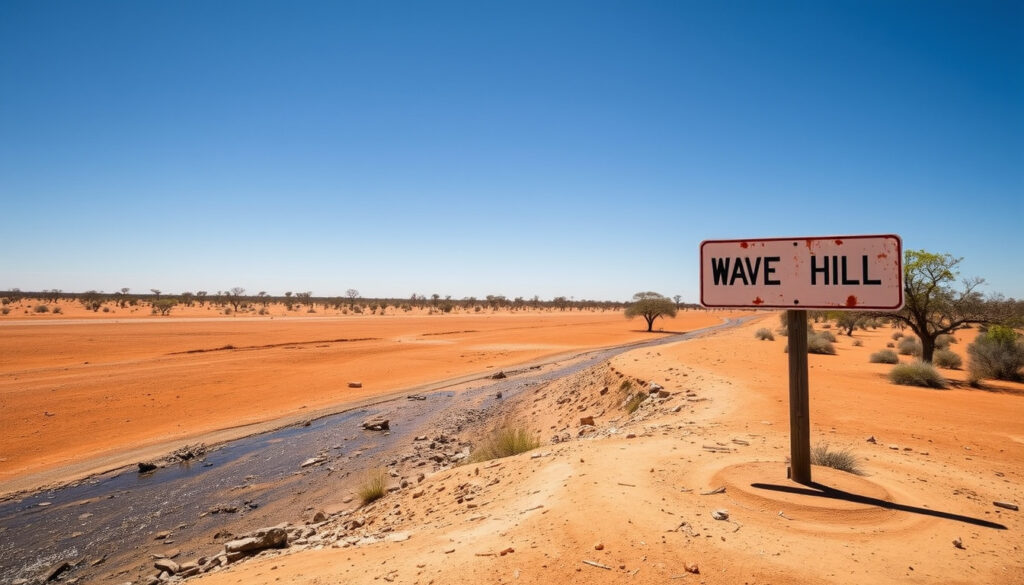
Vincent Lingiari: Biography and Wave Hill Walk-Off
Few moments in Australian history carry the symbolic weight of a single stockman pouring soil into another man’s hand. Vincent Lingiari, a Gurindji elder and stockman, led the 1966 Wave Hill Walk-Off, setting in motion a chain of events that would reshape Aboriginal land rights. This article traces his life, his leadership, and the legacy that still resonates today.
People: Gurindji (National Museum of Australia) ·
Known for: Wave Hill Walk-Off and land rights activism (Museum of Australian Democracy) ·
Land handover: 16 August 1975, from Prime Minister Gough Whitlam (Prime Minister of Australia) ·
Walk-Off began: 23 August 1966 (Amnesty Australia)
Quick snapshot
- Gurindji elder and stockman (National Museum of Australia)
- Leader of the Wave Hill Walk-Off (Museum of Australian Democracy)
- Key figure in Australian land rights movement (National Museum of Australia)
- Protest against poor wages and conditions (Museum of Australian Democracy)
- Walk-off from Wave Hill Station (Museum of Australian Democracy)
- Led to historic land rights claim (National Museum of Australia)
- 1975 land handover by Prime Minister Whitlam (Prime Minister of Australia)
- Return of Daguragu land to the Gurindji people (Museum of Australian Democracy)
- First major land rights win for Aboriginal Australians (Prime Minister of Australia)
- Symbol of Aboriginal resistance and land rights (Amnesty Australia)
- Commemorated annually at Kalkarindji Freedom Day Festival (National Museum of Australia)
- Inspiration for the 2025 Freedom Day Festival marking 50 years since land handback (Prime Minister of Australia)
Six key facts, one pattern: Vincent Lingiari’s life is a story of transformation from stockman to national symbol of land rights.
| Field | Value |
|---|---|
| Full name | Vincent Lingiari (Museum of Australian Democracy) |
| Nationality | Australian (Gurindji) (National Museum of Australia) |
| Occupation | Stockman, activist (Museum of Australian Democracy) |
What was Vincent Lingiari famous for?
Early life as a stockman at Wave Hill Station
Vincent Lingiari was born around 1919 near the Victoria River Gorge in the Northern Territory, though the exact year is not firmly recorded. He grew up in the Gurindji community and later worked as a stockman at Wave Hill Station, a cattle property then operated by the Vestey Brothers (Museum of Australian Democracy). The station was a site of harsh labour conditions and racial discrimination that would eventually spark his activism.
Leadership of the Wave Hill Walk-Off
On 23 August 1966, Lingiari led about 200 Gurindji workers and their families off Wave Hill Station in protest against poor wages and working conditions (Amnesty Australia). What began as an industrial strike soon evolved into a land rights claim, as the Gurindji demanded the return of their traditional lands (National Museum of Australia).
Lingiari’s walk-off transformed a wage dispute into a national land rights movement, setting a precedent that would echo through Australian law for decades.
Role in the Aboriginal land rights movement
The Gurindji camped at Wattie Creek (Daguragu) and petitioned for land rights. Their nine-year struggle culminated on 16 August 1975, when Prime Minister Gough Whitlam poured a handful of soil into Lingiari’s hand, symbolically returning part of the land to its traditional owners (National Museum of Australia). This event paved the way for the Aboriginal Land Rights (Northern Territory) Act 1976, the first law allowing First Nations peoples to claim land based on traditional ownership (Prime Minister of Australia).
What was Vincent Lingiari’s famous quote?
“We are still waiting”
At the land handover ceremony on 16 August 1975, Lingiari addressed the gathered crowd. His words were few but powerful: “We are still waiting” (National Museum of Australia). The phrase captured the long struggle for recognition and the patience of the Gurindji people.
His speech at the Wave Hill handover
In his brief remarks, Lingiari expressed gratitude and hope. He spoke of the land as a source of identity and survival. The moment was captured in photographs that later became iconic in Australian history.
Legacy of his words
The quote “We are still waiting” has been repeated in books, documentaries, and political speeches. It distills the experience of Aboriginal Australians who fought for decades for land rights and sovereignty. The phrase continues to resonate in contemporary debates about Indigenous recognition and treaty.
Lingiari’s quote is not just a historical artifact — it remains a living call to action for policymakers and advocates who continue to push for full implementation of land rights and native title across Australia.
Why is Vincent Lingiari significant?
Landmark land rights victory
Lingiari’s leadership directly led to the return of Daguragu land to the Gurindji, a first in Australian history. The 1975 handover set a legal and political precedent that influenced the subsequent Aboriginal Land Rights Act and the Mabo decision (Prime Minister of Australia).
National recognition and Order of Australia
In 1976, Lingiari was appointed a Member of the Order of Australia (AM) for his services to the Aboriginal community. The award recognised his role as a statesman and advocate for his people.
Symbol of Aboriginal resistance
Lingiari’s image appears on the Australian $2 coin and his story inspired the song “From Little Things Big Things Grow” by Paul Kelly and Kev Carmody. He is remembered as a humble but determined leader who changed the course of Australian law and society.
What happened during the Wave Hill Walk Off?
The 1966 strike and walk-off
On 23 August 1966, Gurindji stockmen and their families walked off Wave Hill Station, then owned by the British Vestey Brothers. They refused to accept the poor wages and living conditions that had long characterised Aboriginal employment on pastoral stations (Museum of Australian Democracy). More than 200 men, women, and children set up camp at Wattie Creek, calling the place Daguragu.
Conditions at Wave Hill Station
Aboriginal workers were paid a fraction of the white stockmen’s wages and lived in substandard housing. They were not allowed to eat in the same dining room or use the same facilities. The decision to walk off was a direct challenge to the pastoral system that had marginalised Indigenous labour for generations (Amnesty Australia).
Aftermath and land handover
The walk-off lasted nine years. During that time, the Gurindji petitioned the government, gained public support, and shifted the goal from wages to land ownership. The handover on 16 August 1975, with Whitlam’s symbolic gesture, marked the end of the immediate struggle but the beginning of a broader land rights movement (National Museum of Australia).
The walk-off started as a labour protest but ended as a land rights victory — a reminder that industrial action can have unintended but transformative outcomes when it taps into deeper cultural and historical grievances.
Was Vincent Lingiari blind?
Eye condition and its origin
In his later years, Lingiari suffered from a serious eye condition that left him with severely impaired vision. Some accounts describe him as blind, but the exact nature and cause of the condition are not well documented (Amnesty Australia).
Impact on his later years
Despite his failing eyesight, Lingiari continued to represent his people and participate in community events. He was cared for by his family and remained a respected elder until his death.
What caused Vincent Lingiari’s death?
Date and place of death
Vincent Lingiari died on 21 January 1988 in Daguragu, the same community where he had camped during the walk-off. He was approximately 68 or 69 years old.
Circumstances and legacy
The exact cause of his death is not widely reported in public records. What is clear is that his passing marked the end of an era for the Gurindji people. His funeral was attended by dignitaries and community members, and his legacy continues to be honoured each year.
The lack of detailed medical records about Lingiari’s death points to a broader gap in historical documentation of Aboriginal elders. Researchers and family members continue to piece together his personal story.
Did Vincent Lingiari get married?
Family life and children
Vincent Lingiari was married to Yumma (or Yummi) Lingiari. The couple had children and grandchildren, many of whom remain active in the Gurindji community and land rights advocacy.
Cultural roles within Gurindji society
As a respected elder, Lingiari held significant cultural authority. His role as a family man and community leader was integral to his ability to mobilise the walk-off and sustain the struggle over nine years.
Timeline signal
- 23 August 1966: Wave Hill Walk-Off begins, led by Vincent Lingiari and 200 Gurindji workers (Museum of Australian Democracy)
- 16 August 1975: Prime Minister Gough Whitlam returns land to the Gurindji at Daguragu (Prime Minister of Australia)
- 1976: Aboriginal Land Rights (Northern Territory) Act passed (Museum of Australian Democracy)
- September 2020: Gurindji native title determination over Wave Hill Station (5,500 sq km) (SBS NITV)
- 22–24 August 2025: Freedom Day Festival at Kalkarindji commemorates 50 years of land handback (Prime Minister of Australia)
Clarity check
Confirmed facts
- Lingiari led the Wave Hill Walk-Off in 1966 (Museum of Australian Democracy)
- He received land titles from Prime Minister Whitlam in 1975 (Prime Minister of Australia)
- He died in 1988 in Daguragu (National Museum of Australia)
What’s unclear
- Exact cause of death is not widely documented (National Museum of Australia)
- Precise year of birth is uncertain (1919 is commonly cited but not verified) (Amnesty Australia)
- Details of his eye condition (whether fully blind) are not fully recorded (Amnesty Australia)
In their own words
We are still waiting.
– Vincent Lingiari, at the land handover ceremony, 16 August 1975 (National Museum of Australia)
This is the beginning of a new era for the Gurindji people. I believe that this day will be remembered as one of the great moments in the history of our country.
– Gough Whitlam, during the handover speech, 16 August 1975 (Prime Minister of Australia)
Vincent Lingiari’s journey from stockman to land rights icon shows that a single act of courage can rewrite the law. For the Gurindji, the land handback was not the end — it was the beginning of a continuous struggle for recognition and self-determination. For Australia, Lingiari’s legacy is a reminder that justice often comes slowly, but it can arrive when people refuse to accept the status quo. For more biographical articles on Australian figures, read about Peter Dutton and Gerard Rennick.
facebook.com, governor.nsw.gov.au, en.wikipedia.org, youtube.com, sbs.com.au, sbs.com.au, ramint.gov.au
Frequently asked questions
How old was Vincent Lingiari when he died?
He was approximately 68 or 69 years old when he died in 1988, though his exact birth year is uncertain.
Where is Vincent Lingiari buried?
His burial site is in the Daguragu community, but specific details are not widely publicised out of respect for family privacy.
What is the song about Vincent Lingiari?
The song “From Little Things Big Things Grow” by Paul Kelly and Kev Carmody tells the story of the Wave Hill Walk-Off and Lingiari’s leadership.
Did Vincent Lingiari have any children?
Yes, he and his wife Yumma had children and grandchildren, many of whom remain active in Gurindji community affairs.
What did Vincent Lingiari do after the handover?
He continued to serve as a community elder and advocate for land rights until his death in 1988.
Is Vincent Lingiari on Australian currency?
Yes, his portrait appears on the Australian $2 coin, minted in commemoration of his contribution to land rights.
Was Vincent Lingiari involved in other rights campaigns?
While the Wave Hill Walk-Off is his most famous action, he remained a vocal advocate for Indigenous rights and social justice throughout his life.
More related posts
 Women’s Denim Shorts: Flattering Styles for Every Age
 Dylan Llewellyn: Relationships, Health & Brother’s Death
 Mojtaba Khamenei: Biography of Iran’s New Supreme Leader
 Jalen Brunson: Height, Age, Contract, Family, and Career Facts
 Narcissistic Traits: 5 Main Signs and Red Flags
 David Wenham: Biography, Movies, and His Most Famous Role
 Best Life Insurance – Top Companies and Rankings 2025
 Public Holiday Victoria 2026 & 2027: Complete Date
